exercises headache

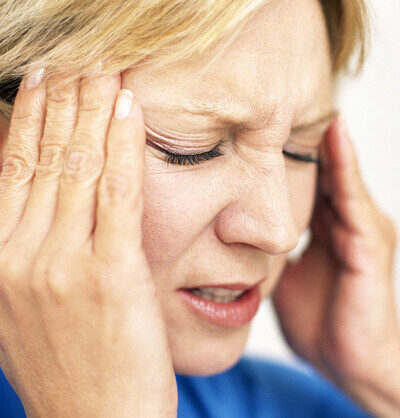
As many of you would know, your neck can be a source of headaches and migraine. Hands-on physio treatment can help ease the pain and help reduce the intensity and frequency of headaches but there is a lot you can do to keep on top of things.
If you suffer regular headaches or always feel tight at the top of your neck, just under the skull bone, then give these exercises for headache a try daily. They can stop a headache from progressing, reduce the amount of medication you need, and relieve tightness.

Our Physiotherapist Sandy demonstrates each of the exercises in the video here or paste https://www.youtube.com/watch?v=Ssb0ME2dr-U into your browser.

1. Chin Tucks/ Cervical Retraction

These exercises are very useful in gently stretching the muscles between the skull and the upper neck. They also help improve posture and move the joints throughout the neck.

2. Shoulder Blade Setting.

The position of our shoulder blades rest plays a crucial role in what happens in our neck. Many muscles attach to the neck and then into the shoulder blade or rib cage area. The shoulder blade setting exercises help to lengthen these muscles and reduce tension. They also improve neck posture as you will sit or stand taller when the shoulder blades rest in the correct position.

3. Neck Rotation

This exercise will get the entire neck moving to maintain enough range to cope with daily tasks such as driving.

4. Head Nods: yes and no.

Nodding our head mostly involves the upper part of our neck and is a great way to get the joints moving and gliding to relieve stiffness and pain. The nodding action also uses the deep muscles at the front of the neck which are important to strengthen to hold the weight of your head. You can do this exercise in different positions depending on how sore your neck is.

5. Mid-back stretch.

By improving the flexibility in the middle of your back and opening up through the front of your chest, your posture improves, and you break out of the regular positions we spend large parts of the day in. There are several ways to do this stretch so choose the one that feels most comfortable for you.

As with any exercises, they need to be done correctly and should feel comfortable. It is common to hear “gravel” type noises when you do the Yes/ No exercises. This usually improves over time but go slowly to allow the stiff joints to adapt to being moved. Sharp pain and an increase in headache symptoms should not happen. Stop if you experience this and ask your physio for assistance on what other alternative exercises to assist with headaches would suit you.

Download a PDF summary of the exercises here or paste https://westlakesphysiosportsandrehab.com.au/wp-content/uploads/2024/02/5-EXERCISES-FOR-HEADACHES-AND-UPPER-NECK-PAIN.pdf  into your browser.


Book Your Physiotherapy Appointment Today

📍 Conveniently located in West Lakes
📞 Call 8347 2043

West Lakes Physio - Sports & Rehab

EXPERIENCE THE WEST LAKES PHYSIO DIFFERENCE TODAY

BOOK NOW
Comments Box SVG iconsUsed for the like, share, comment, and reaction icons
Fun Fact Friday: bon

Fun Fact Friday: bone health week edition!
👂Smallest bone in our body is the 'Stapes', it sits in our middle ear, is smaller than a grain of rice, without it we wouldn't be able to hear
🦴Biggest bone in our body is the 'Femur', it is our thigh bone, is about 50cm long, can withstand 2-3 times our body weight in load.
#FunFactFriday #BoneHealth #WestLakesPhysio
...

It’s World Osteopo

It’s World Osteoporosis Day 🦴 — and not all exercise is equal when it comes to your bones.

Walking is great for your general health, but improving and maintaining bone strength requires the right type of challenge.

A bone-health exercise program may include:
🏋️ Resistance training – progressively loading muscles and bones
👟 Weight-bearing or impact exercise – appropriate to your individual bone and joint health
⚖️ Balance training – helping reduce the risk of falls and fractures
The important word is appropriate.

If you have osteoporosis, previous fractures, joint problems, bladder issues or haven’t exercised for some time, the exercises and loads need to be tailored to you.

At West Lakes Physio – Sports & Rehab, our physiotherapists can assess your strength, balance, mobility and other health considerations and help you develop an exercise program that is challenging enough to be useful while remaining appropriate for you.
Strong bones help us keep doing the things we love—at every age.
📞 Speak with us if you’re unsure where to start.
#WorldOsteoporosisDay #StrongBones #ExerciseForBoneHealth #Physiotherapy #WestLakesPhysio
...

Calcium gets a lot o

Calcium gets a lot of attention—but it needs some help. ☀️

Vitamin D helps your body absorb calcium and is important for maintaining healthy bones.

In Australia, some vitamin D comes from sun exposure, but how much you need varies with the season, skin type, where you live and other individual factors.
Low vitamin D can be more common in people who spend very little time outdoors, cover most of their skin, have darker skin, or have certain medical conditions.

If you are concerned about your vitamin D level, particularly if you have osteoporosis or other risk factors, speak with your GP rather than simply starting high-dose supplements.

Bone health isn’t about one nutrient—it’s about getting the pieces working together.

Tomorrow for World Osteoporosis Day, we’ll look at another major piece of the puzzle: exercise.
#VitaminD #BoneHealth #WorldOsteoporosisDay #WestLakesPhysio
Healthy Bones Australia notes that vitamin D is needed for calcium absorption and recommends medical assessment if vitamin D deficiency is suspected.
...

Are you getting enou

Are you getting enough calcium? 🥛🧀🥦
Calcium is one of the building blocks of healthy bones—but many of us have no idea how much we are actually getting each day.

For most adults, the recommended intake is around 1,000 mg per day, increasing to 1,300 mg per day for women over 50 and men over 70. Healthy Bones Australia

The best place to start is usually your food.
Milk, yoghurt and cheese are obvious sources, but calcium can also come from foods such as fortified alternatives, some fish, tofu, nuts and green vegetables.

Rather than guessing, try the calcium calculator and see how your usual day adds up.
www.bonetalk.com.au/calculator.html

A simple check today may identify an easy way to support your bones for the future.
#BoneHealth #calcium #HealthyBones #WorldOsteoporosisDay #westlakesphysio
...

Join Our Newsletter

"*" indicates required fields

Name*
MENU